Almonde Embroidery Design: Personalizing Fabric with Style
Understanding the Almonde Embroidery Design Aesthetic
In the world of digital crafting, finding a typeface that translates seamlessly from screen to stitch is a rare win. The Almonde Embroidery Design collection is specifically engineered to bridge that gap. It is not just a font; it is a specialized set of embroidery files designed to mimic the elegance of modern typography while respecting the mechanical limitations of needle and thread. Visually, Almonde strikes a balance between a structured serif font and a sophisticated display font. It features clean lines and defined serifs that help guide the eye, but it avoids the overly ornate flourishes that often cause thread breaks or messy stitching on home machines.
The personality of this typeface is professional yet approachable. It doesn't scream for attention like a chaotic script font; instead, it offers a quiet confidence. This makes it an ideal creative font for projects where legibility is just as important as aesthetics. Whether you are working on a delicate silk blouse or a heavy canvas tote, the stitch density and pathing of the Almonde design have been optimized to maintain integrity across different fabric weights.
Why Stitch Quality Matters More Than Vector Lines
As a designer or crafter, you likely spend a lot of time looking at vector paths. However, embroidery is a different medium entirely. The Almonde Embroidery Design understands this distinction. When you download this package, you aren't just getting a shape; you are getting a stitch plan. The difference is in the "pull" and "compensation" of the thread. A standard sans serif font might look perfect on a website, but when stitched, the corners can round off, and the letters can sink into the fabric.
Almonde avoids this by utilizing underlay stitches and proper pull compensation. This means that when you embroider a name or a date, the final result on the fabric will actually look like the preview on your screen. This attention to detail is crucial for brand identity work. If you are a small business owner creating branded merchandise, consistency is your currency. You cannot afford a logo or product name that looks amateurish because the font wasn't digitized correctly.
Practical Applications for Modern Creators
The versatility of the Almonde Embroidery Design allows it to fit into a wide variety of projects. Because it functions as a premium font in the embroidery world, it elevates the perceived value of the item it adorns.
Here are a few specific scenarios where this design shines:
- Apparel and Fashion: Use Almonde for monogramming cuffs, collars, or breast pockets. Its structure mimics high-end editorial design, making a simple polo shirt look like a boutique item.
- Home Decor: For items like throw pillows, tea towels, or table runners, this font provides a timeless look. It pairs well with floral motifs or geometric patterns without clashing.
- Corporate Gifting: If you run a service-based business, gifting a client a towel set or a robe with their initials in the Almonde typeface communicates a level of care and professionalism that generic fonts cannot match.
- Packaging Design (Physical): For artisans selling physical goods, stitching a label directly onto a canvas bag or product sleeve using this font adds a tactile layer to your packaging design strategy.
Mastering Font Pairing and Technical Specifications
One of the most common questions in embroidery is how to mix fonts. The Almonde Embroidery Design works exceptionally well as a primary header font or for names, but it pairs beautifully with simpler styles. For example, if you are stitching a quote, you might use Almonde for the key phrase or the name, and pair it with a simple running stitch or a standard sans serif font for the smaller details. This creates a visual hierarchy that is easy to read from a distance.
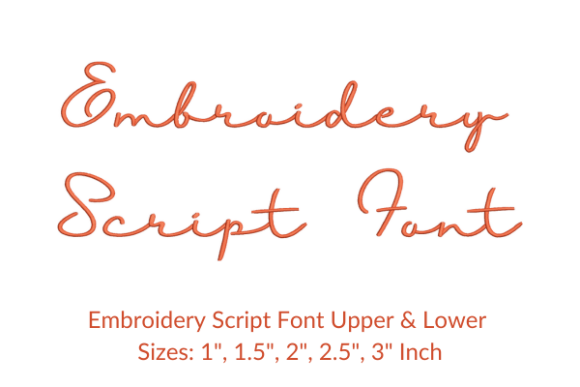
When evaluating this typeface for your next project, pay close attention to the size recommendations provided in the technical sheet. As noted in the product details, the stitch count provided usually refers to a specific letter (like "A" or "a") to give you a baseline. However, letters with more curves (like S or O) will naturally have higher stitch counts. This is where the efficiency of the Almonde Embroidery Design digitizing becomes apparent—it manages density to prevent puckering.
Technical Considerations for Best Results
Before you hit the "start" button on your machine, consider these practical tips to get the most out of this commercial font:
- Stabilization is Key: Even the best premium font will fail on unstable ground. Ensure you are using the correct stabilizer (cutaway for knits, tearaway for wovens) to keep the crisp edges of the Almonde design sharp.
- Thread Weight: While 40wt polyester is the standard, experimenting with 60wt thread can make smaller sizes of the Almonde font even more legible, turning it into a functional modern typography solution for detailed work.
- File Formats: The Almonde Embroidery Design comes with multiple file formats (such as PES, DST, JEF, etc.). Always use the specific format native to your machine brand to avoid stitch glitches.
Elevating Your Brand with Custom Typography
In a market saturated with generic clip art and standard machine fonts, using a distinct design like Almonde helps you stand out. It is a tool for logo design elements, social media graphics (for mockups), and tangible products. It bridges the gap between digital web design aesthetics and physical craftsmanship.
For the entrepreneur or the hobbyist, the value of a font that "just works" cannot be overstated. It saves time in the editing phase and prevents wasted materials. When you choose the Almonde Embroidery Design, you are choosing a design asset that respects the craft of machine embroidery. It offers the sophistication of a high-end display font with the rugged reliability required for production environments. Whether you are personalizing a gift for a friend or producing a line of goods for a boutique, this font provides the professional finish your work deserves.
Ultimately, the success of an embroidery project lies in the details. The kerning, the baseline, and the stitch direction all play a role. By selecting a typeface that has been engineered specifically for this medium, you ensure that your message—whether it's a name, a date, or a brand slogan—is communicated clearly and beautifully.